Alcohol on the Mind
Beyond the commonly known effects of alcohol consumption, including liver damage, drinking can also detrimentally impact our brains and our mental health.

Alcohol, Depression and low mood
The relationship between alcohol and depression is complex, with alcohol both exacerbating, and being exacerbated by, depressive symptoms. Alcohol is a depressant: it affects your central nervous system (your brain and your spinal cord) and alters the balance of chemicals in your brain.
Depression can also be caused or brought about by drinking alcohol, and, if you are already feeling depressed, drinking can make symptoms even worse. People who are depressed and drink heavily have more frequent and severe episodes of depression and are more also likely to have thoughts about suicide.
Heavy alcohol use also can make antidepressants less effective, as well as reducing overall nutritional status.
Washing out 'good fats' - omega 3 deficiency
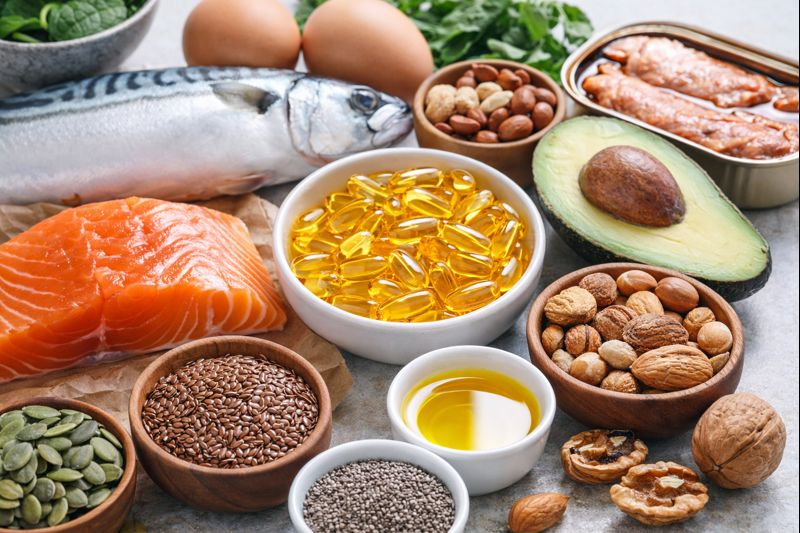
Alcohol consumption can deplete omega-3 fatty acids in the body, disrupting the delicate balance of essential fats necessary for optimal brain function. Omega-3 fatty acids play a crucial role in neurotransmitter regulation, inflammation modulation, and overall brain health.
The breakdown of alcohol in the liver generates reactive oxygen species (ROS) and increases oxidative stress, which can accelerate the degradation of omega-3 fatty acids.
Liver damage can also impair the synthesis of lipids, including omega-3 fatty acids, further exacerbating deficiency.
This depletion of brain-essential fats can contribute to mood disorders such as depression, highlighting the importance of maintaining adequate levels. Understanding the impact of alcohol on omega-3 fatty acids underscores the need for dietary interventions to support mental well-being in individuals who consume alcohol regularly.
Get this factsheet on Alcohol & Mental Health to your inbox when you sign up

Reduces brain-vital vitamins & minerals
Excessive alcohol consumption can deplete essential vitamins and minerals necessary for optimal brain function, including vitamin B12, folate, thiamine and many others.
These nutrients play critical roles in neurotransmitter synthesis, energy metabolism, and overall cognitive health. Depletion of these vitamins and minerals can lead to cognitive impairment, memory deficits, and mood disturbances, exacerbating existing mental health issues.
Addressing nutrient deficiencies through dietary interventions or supplementation may be valuable for individuals who consume alcohol regularly, to support brain resilience and overall well-being - both physical and mental.
Want to learn more about Alcohol & Mental Health?
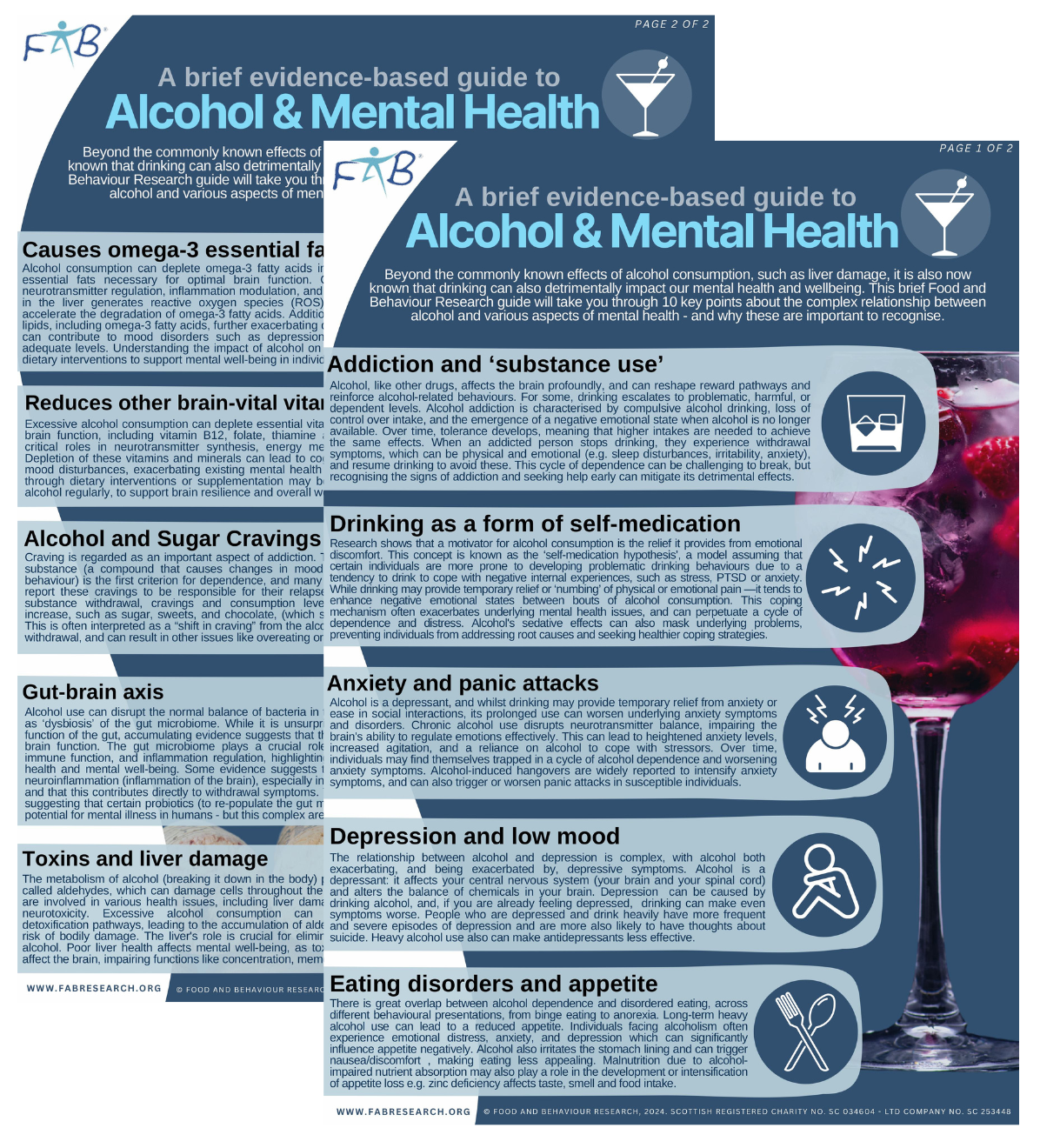
Download our infographic for more info on:
- the relevance of addiction and substance use
- the influence of alcohol on appetite
- the relationship between drinking and sugar cravings
- the way in which alcohol influences the gut brain axis
- the overlap between alcohol dependence with disordered eating
Alcohol, Nutrition and Mental Health in Women
Women are under-represented in alcohol dependency research, though data indicates that problematic drinking is now as common among young women as it is among men.
Women are are also more susceptible to the physiological and psychological effects of alcohol use than men, even when drinking at lower levels and for shorter periods, posing significant costs to healthcare services.
To learn more about the the psychology of drinking, and its relevancy both to women and the topic of nutrition, we hope you join our on-demand webinar delivered by special guest and researcher Dr Chloe Casey - see below.
Watch our recent FAB Live webinar and Q&A session on this topic

● Societal factors influencing women's alcohol consumption.
● How does alcohol affect diet, and deplete nutrients?
● Learn the importance of nutrition in supporting an alcohol-free lifestyle.
● Lack of support and stigma faced by women in alcohol recovery.
Were you expecting a paywall?
Food and Behaviour Research relies on donations to make articles like this one freely available.
Make a quick and easy donation of ANY AMOUNT and help support our Charity to create future articles and resources.
All donations are very gratefully received
Thanks so much for your support
Contact Us
More articles